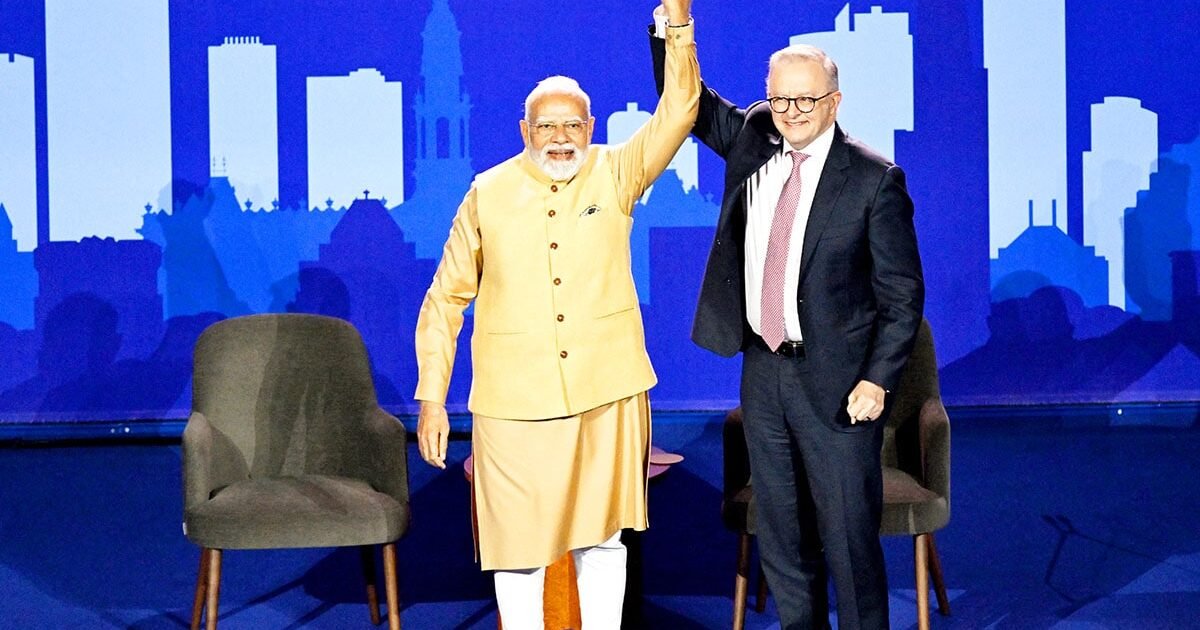
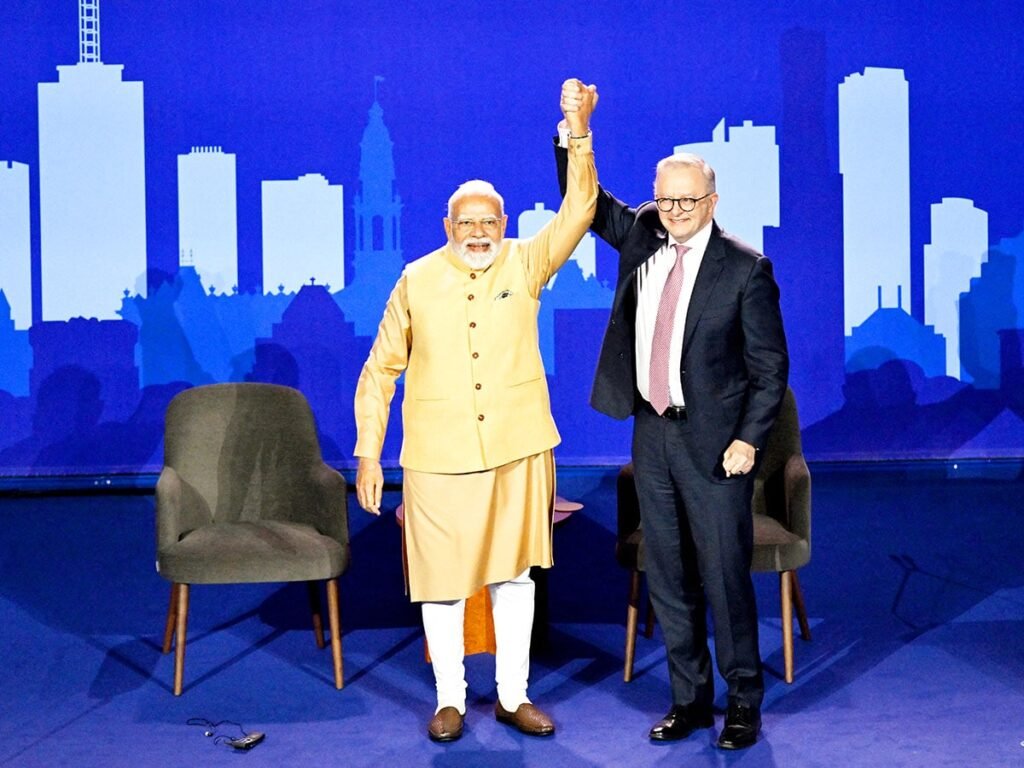
Among the 18 outcomes of Prime Minister Narendra Modi’s summit with Australian Prime Minister Anthony Albanese in Melbourne on July 9 was one with an unusually long pre-history: an administrative arrangement under the two countries’ civil nuclear cooperation agreement, designed to finally turn Australia’s in-principle commitment to supply uranium to India into a functioning commercial relationship.
A Deal Twelve Years in the Making
Australia holds roughly a third of the world’s known uranium reserves, but for decades its policy barred sales to countries outside the Nuclear Non-Proliferation Treaty — a category that includes India. Canberra carved out an India-specific exception in 2011-12, and the two countries signed a civil nuclear cooperation agreement in 2014, which came into force in 2015. Administrative arrangements to actually operationalise safeguarded commercial flows took until this year to fall into place.
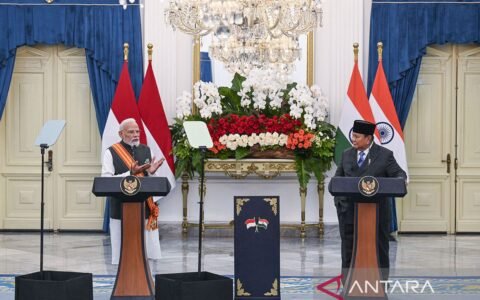
At the joint press conference following the summit, Modi confirmed the arrangement had been signed, saying: “Australia will supply uranium to India. We have signed an important agreement in the field of nuclear energy. It will give new momentum to our clean energy goals,” as reported in coverage of the joint press conference. Albanese confirmed the deal facilitates Australian uranium exports for peaceful civilian purposes under the 2015 agreement, framing it as both a new market for Australian resources and support for India’s push to raise the non-fossil-fuel share of its power mix.
Why India Needs It
India’s nuclear power programme is expanding, with new reactors under construction and ambitious capacity targets as part of the country’s clean energy transition. Domestic uranium reserves are modest and of variable grade, making imported fuel essential. India currently sources uranium from Kazakhstan, Canada, Russia and Uzbekistan; adding Australia — a stable, friendly democracy with the world’s largest reserve base — meaningfully diversifies that supply chain.
The timing sharpens the deal’s relevance. Months of the Strait of Hormuz crisis during the Iran war have repeatedly demonstrated the risk of concentrated energy dependencies, sending India’s crude basket price spiking well above its usual range at the peak of the disruption. Nuclear power, fuelled by a politically secure supplier base, looks more attractive with every disrupted tanker.
Modi made the same pitch to Australian business leaders even before the formal signing, telling a business forum in Melbourne that “Australia’s huge uranium reserves align directly with India’s nuclear journey. For us to increase partnership in this space, this is an historic opportunity,” Business Standard reported, citing Bloomberg’s account of his remarks.
Why Australia Agreed
For Canberra, uranium exports to India check several boxes: a new market for its mining sector, deeper strategic alignment with a Quad partner, and a contribution to global decarbonisation. The IAEA-supervised safeguards architecture built since 2014 — under which Indian civil nuclear facilities operate — gave Australian policymakers the assurance framework they had insisted on before agreeing to trade.
What to Watch
Commercial contracts between Australian miners and Indian utilities, actual shipment volumes, and pricing will reveal whether the arrangement has substance beyond the signing ceremony. Nuclear fuel markets move slowly, and safeguards paperwork takes time even after a political green light. But a barrier that stood for well over a decade has now been formally dismantled — and in energy security, as 2026 has kept demonstrating, diversification is destiny.