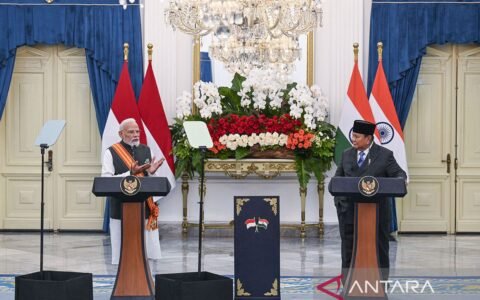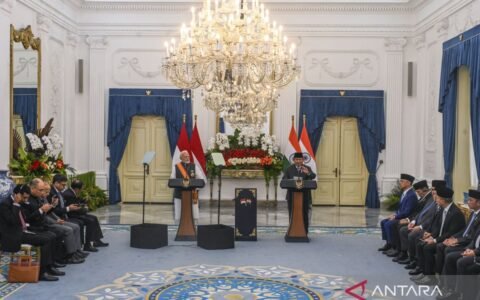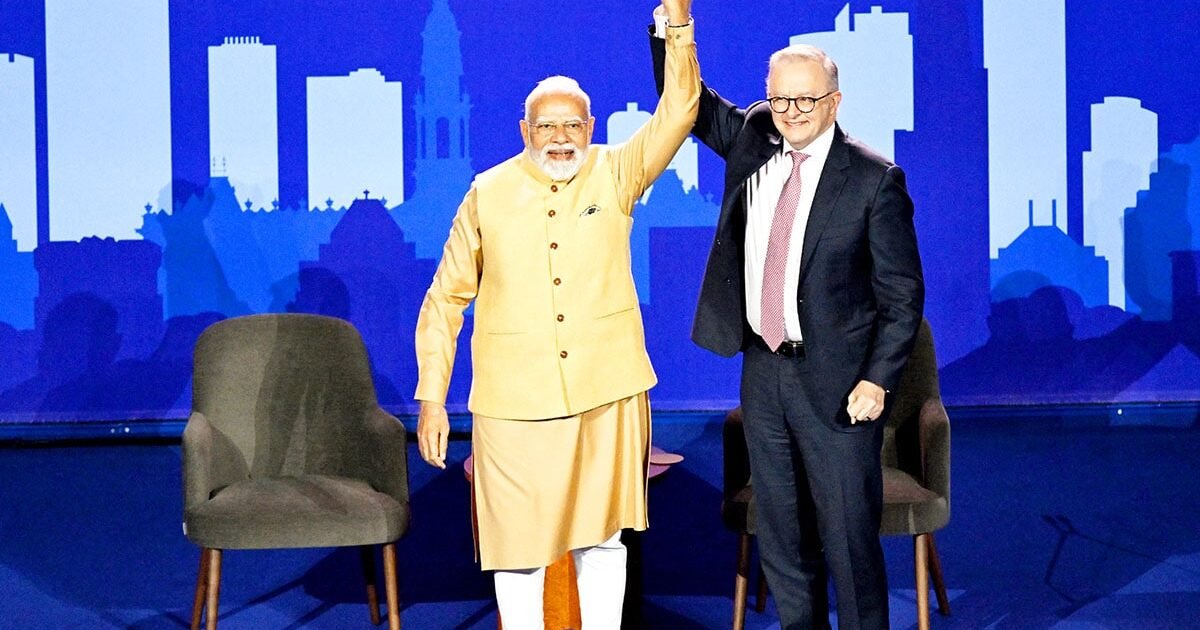
When Prime Ministers Narendra Modi and Anthony Albanese met in Melbourne on July 9, one commitment drew particular attention from businesses in both countries: an agreement to accelerate negotiations on the Comprehensive Economic Cooperation Agreement, or CECA — India’s most consequential unfinished trade deal.

From ECTA to CECA
India and Australia already trade under the Economic Cooperation and Trade Agreement (ECTA), the interim deal in force since December 2022 that eliminated tariffs on a large share of bilateral goods trade and, as of January 1, 2026, brought 100 per cent of Australian tariff lines to zero-duty for Indian exports. CECA is meant to be the deeper second act — covering the goods lines left out of ECTA, plus services, investment, digital trade and mobility.
Negotiations have ground through eleven-plus rounds since 2023. Commerce Minister Piyush Goyal has met Australian Trade Minister Don Farrell repeatedly to push the process along — in Melbourne, in Adelaide, and most recently around the July summit — and has consistently reaffirmed India’s commitment to concluding “a balanced and mutually beneficial” agreement. On the third anniversary of ECTA in late December, Goyal posted that “together, India and Australia are building a future of shared prosperity and trusted trade,” according to DD News’s report on his statement, even as he noted that ECTA continues to “anchor” the economic relationship while the broader CECA negotiations advance. Farrell, for his part, has described CECA as an “ambitious” trade agreement aimed at deepening ties between the two economies, DD News reported following his meetings with Goyal.
The Sticking Points
The hard yards in any India-Australia negotiation are familiar. Australia seeks deeper access for its agriculture and dairy sectors — politically sensitive in India, where millions of small farmers fear import competition. India wants better mobility arrangements for its professionals, liberalised services access, and movement on issues affecting its IT industry — the specific concerns that Melbourne’s Indian-Australian community has raised most consistently and that the July summit did not resolve on its own.
Both sides have learned from India’s other recent negotiations. The India-UK CETA, which entered into force on July 15, and the rapidly concluded India-New Zealand FTA have established templates for how India handles sensitive sectors — typically through exclusions, quotas and long phase-in periods rather than blanket liberalisation.
Why It Matters
Bilateral trade has grown strongly under ECTA — India’s exports to Australia rose 8 per cent in FY 2024-25 alone — but both governments believe the relationship remains underweight relative to its potential. Australia wants to diversify away from China; India wants critical minerals, energy, education partnerships and investment. A completed CECA, layered on top of July’s Critical Minerals Corridor and uranium supply arrangement, would give the economic relationship an architecture to match its strategic ambitions.
The Bottom Line
Fast-track commitments are easy to announce and hard to honour; both the 2021 and 2023 summits made similar promises, and CECA is still unsigned. But with political will restated at the highest level, momentum from India’s recent FTA winning streak, and strategic tailwinds from a turbulent world pushing Canberra and New Delhi closer together, CECA’s odds look better today than at any point since talks began.